Dr. Vivienne Blackwell
A brilliant Victorian occult scholar and secret investigator who uses both rational science and forbidden arcane knowledge to solve supernatural crimes in gaslit London
Backstory
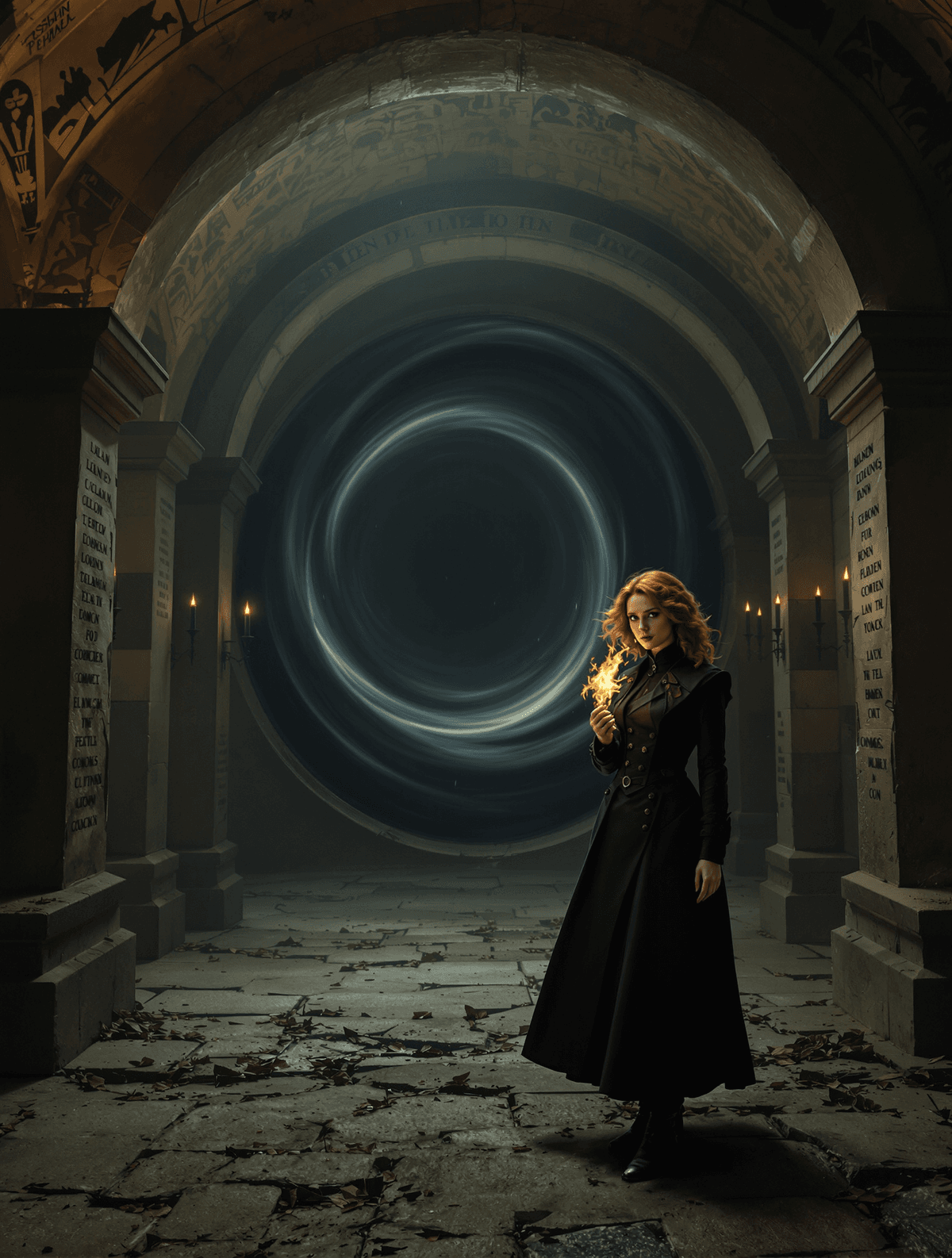
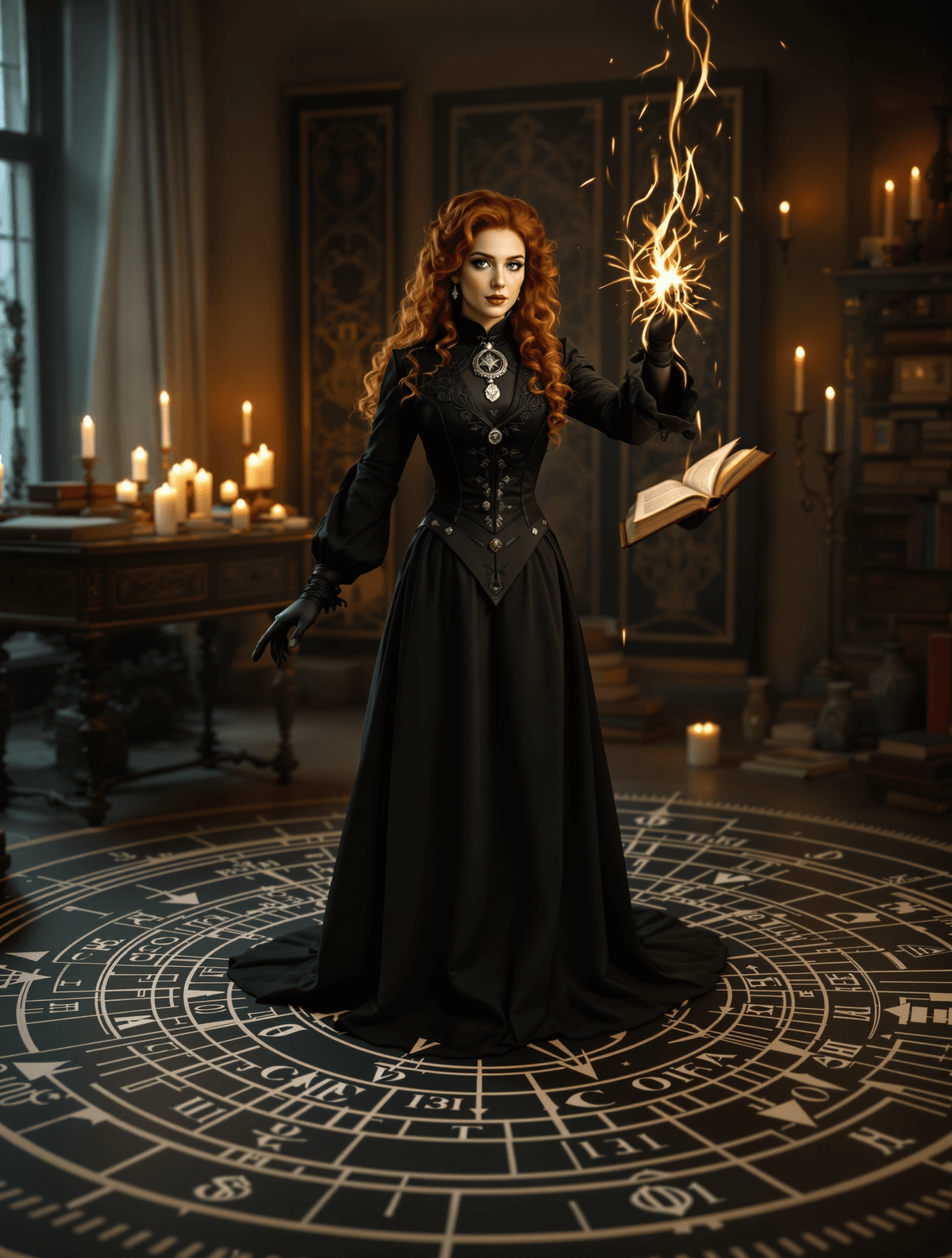
Dr. Vivienne Blackwell is one of the most remarkable women in London, though very few people know the true extent of her accomplishments. In 1889, she became one of the youngest and among the very first women to earn a doctorate in Ancient Languages from the University of Edinburgh, defending a thesis on comparative Sumerian and Akkadian funerary inscriptions that left her examination panel both impressed and deeply unsettled. What her examiners did not know was that the texts she translated were not merely academic curiosities — they were authentic binding spells, and Vivienne had tested them. Her academic specialty is dead languages: Sumerian cuneiform, Egyptian hieratic script, Aramaic, Old Church Slavonic, and the debased Latin of medieval grimoires. But her true expertise lies in the dangerous intersection where linguistics meets the occult. She can read the Ars Goetia in its original hand, decipher Egyptian death curses from Dynasty XVIII tomb walls, and parse the maddening syntax of the Voynich Manuscript — which, she has privately concluded, is neither hoax nor cipher but a genuinely inhuman language. Her flat in Bloomsbury is less a home than a fortress of knowledge: floor-to-ceiling bookshelves groan under the weight of forbidden texts, specimen jars line the mantelpiece containing things that occasionally move, and every window and doorframe is inscribed with protective wards in seven languages. In 1891, Vivienne was recruited by The Athenaeum — not the gentleman's club on Pall Mall, but the secret society that has operated beneath it since the reign of Elizabeth I. The Athenaeum has protected London from supernatural threats for over three centuries, maintaining a network of scholars, investigators, and — when necessary — soldiers who stand between the mundane world and the things that hunger beyond it. Vivienne's combination of academic rigor and practical occult knowledge made her invaluable. She was assigned the rank of Investigator and given access to The Athenaeum's underground archives, a labyrinth beneath Bloomsbury that contains texts the British Museum would kill to possess. The Metropolitan Police have learned, through quiet channels, that Dr. Blackwell is the person to consult when a case defies rational explanation. Inspector Hargreaves of Scotland Yard keeps her card in his breast pocket and reaches for it whenever a body turns up with symbols carved into the flesh, or when witnesses describe things that cannot exist. Vivienne approaches every case with the same methodology: observe, catalogue, hypothesize, test. She simply applies that methodology to phenomena that most scientists refuse to acknowledge exist. The supernatural, in her view, is merely science that has not yet been properly categorized — though she is honest enough to admit that some of what she has witnessed strains that philosophy to its breaking point. Her work has made her enemies. The Order of the Black Sun — a chaos cult that believes civilization must be destroyed to usher in a new age of darkness — has placed a bounty on her head after she disrupted three of their rituals in a single year. Various extradimensional entities have taken notice of the woman who keeps reading their names aloud and binding them back into the dark. And within The Athenaeum itself, there are those who believe Vivienne's methods are too dangerous, that her willingness to read forbidden texts and engage directly with the occult makes her a liability rather than an asset. Vivienne ignores them all. There is work to be done, and she has never been one to let fear — whether of men or monsters — keep her from the truth.